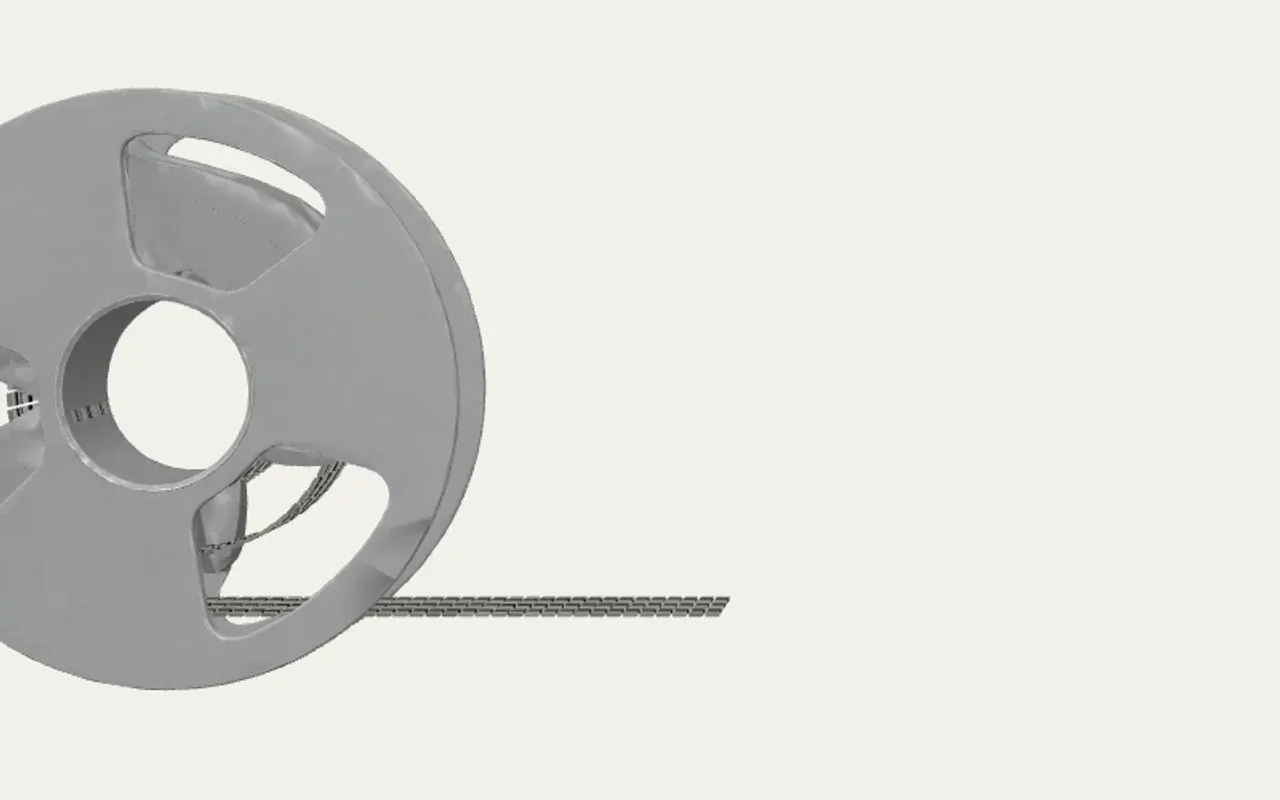
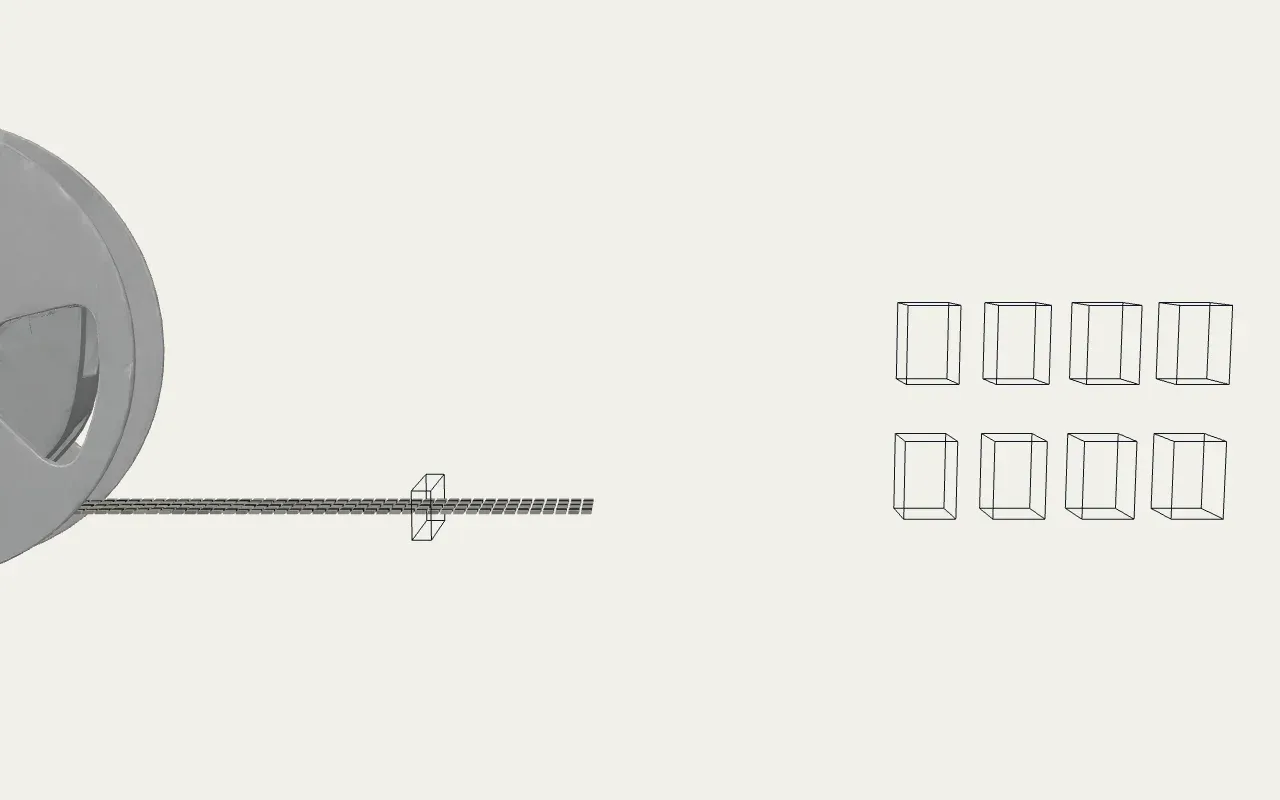
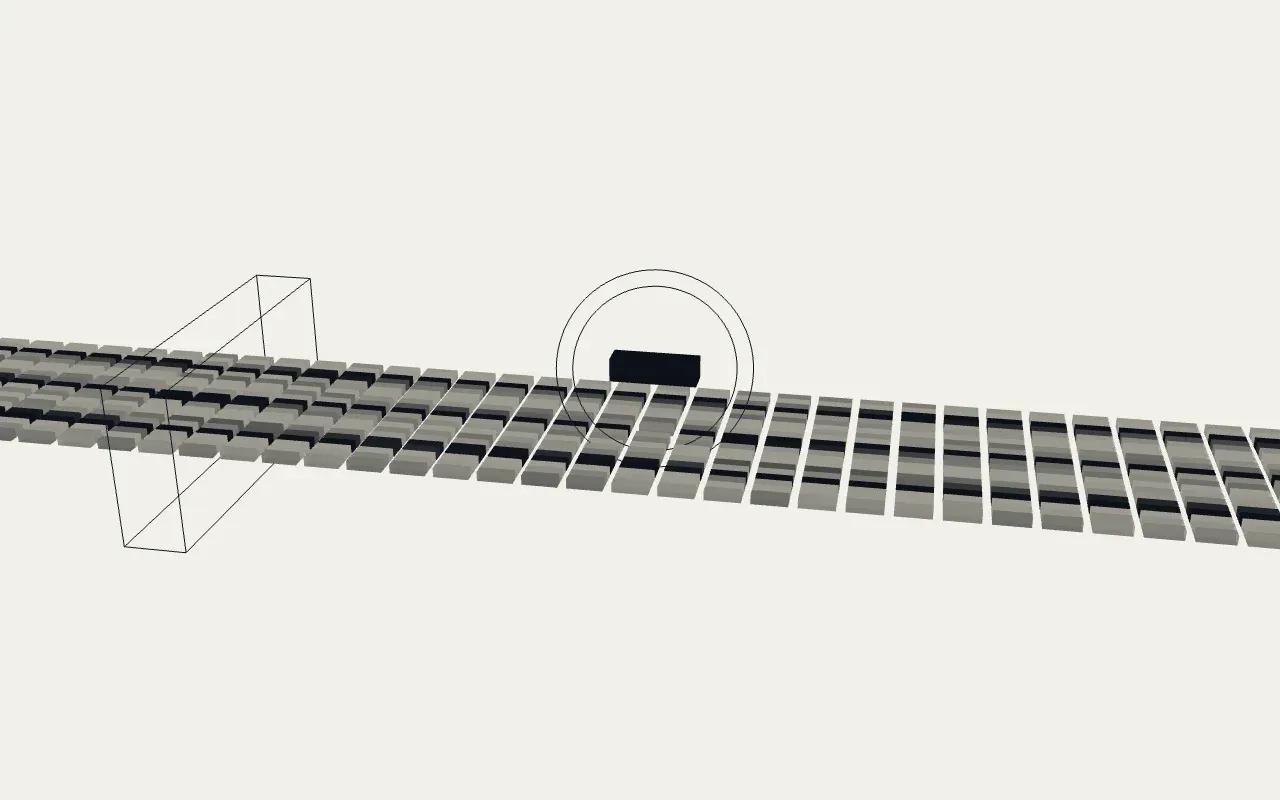
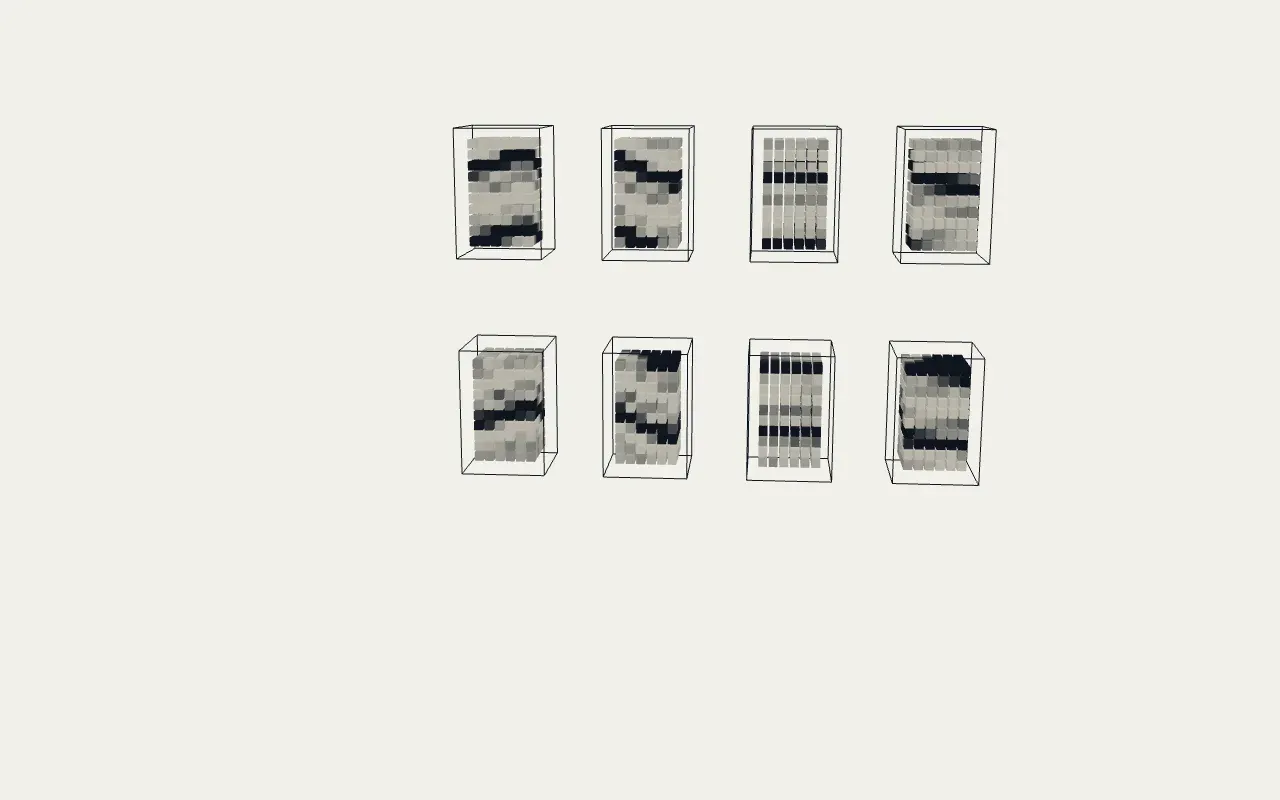
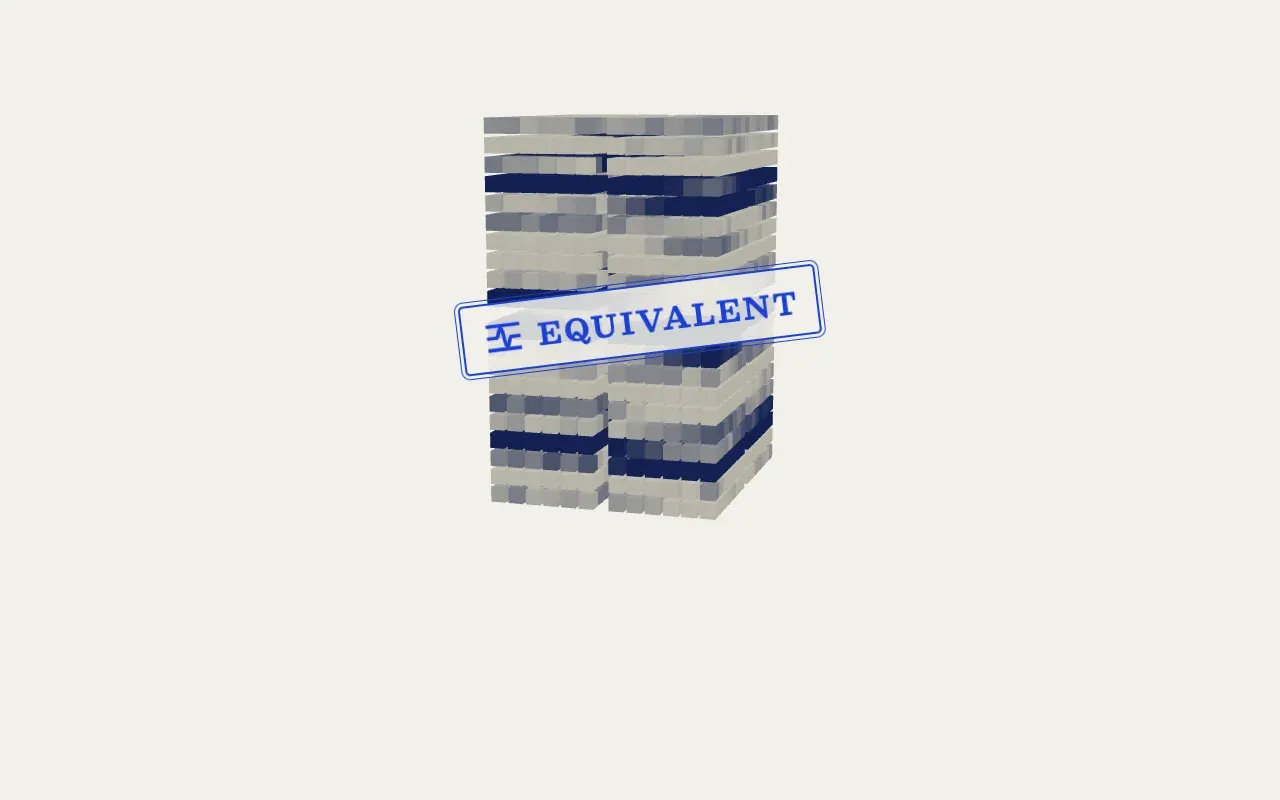
Scripted illustration, not a live run or a measurement.
Skip it
Check a certificate yourself.
A certificate is a JSON document, and its schema is published. Drop one here and it is validated in your
browser. The file is never uploaded, and the check keeps working offline once this page has loaded.
This validates the document against
sdip-certificate-v0. The schema itself rejects a
certificate that claims EQUIVALENT while a plane failed, the working tree was dirty or a lossy codec was
present. It does not re-run the comparison: that needs the source, the store and SDIP.
The conversion is where data quietly breaks.
Every SEG-Y conversion is a chance to lose something quietly. The conversion succeeds, the store opens, the
volume looks right, and a model cannot tell the difference.
What the conversion did
What the model sees
Dropped a trace header field
A missing feature. It trains without it, and nobody knows what was lost.
Altered a sample through a non-invertible decode
Signal. It learns it.
Regularised the grid
Geometry. Every prediction inherits it.
Mislabelled or reordered traces
A wrong label, propagated through every epoch.
Corrupted input does not announce itself in a loss curve. It surfaces as a model that scores well in validation
and fails on real data.
One command. One certificate.
sdip certify ingests the SEG-Y, checks five planes of equivalence, exports back to SEG-Y, compares the whole
file by SHA-256 and writes the certificate.
reference-poststack3d.sgy3,200 B text header400 B binary header240 B header and samples, per tracelive mask
import zarr

store = zarr.open_group("survey.mdio", mode="r")
amplitude = store["amplitude"]  # samples, (inline, crossline, time), float32
headers = store["headers"]  # structured array, 97 named trace-header fields
mask = store["trace_mask"][...]  # which traces are live
raw_bytes = store["headers_raw_uint8"]  # all 240 header bytes per trace, verbatim

tile = amplitude[100:132, 200:232, :]  # chunk-level random access
What it refuses.
SDIP is deliberately narrow. A tool that half-works on data it does not understand produces exactly the
artifact this project exists to prevent.
To touch your values
No filtering, scaling, resampling, regridding, muting, interpolation or denoising. It is an identity map with a receipt.
A tolerance
Comparisons are byte equality or array_equal. A tolerance is how a lossy path gets a passing grade.
Partial credit
A store that satisfies four planes out of five is NON-EQUIVALENT, and the certificate says which plane failed and where.
Lossy codecs
Compression uses lossless codecs only. MDIO’s lossy extra is barred outright.
An unsound environment
sdip doctor runs first. If it fails, nothing else runs.
A dirty working tree
sdip certify will not issue a certificate from a tree that is dirty or absent, and there is no flag to make it.
A verdict without a round trip
Six sample formats, ibm32 among them, can alter a value on decode. For those, EQUIVALENT requires a byte-identical whole-file round trip.
Data it has not measured
Where a format, geometry or backend has not been measured, it refuses with a named reason. Sources above 40.1 GiB are refused by default.
For data libraries.
Formats age, and the migration you run today is the one someone audits in twenty years. SDIP writes down what
it did, in a form that outlives the person who ran it.
Planning to certify an archive migration? Talk to the maintainer, Zahid Aramai,
on LinkedIn, or
open an issue.